3D SVG Hamburger Takeaway Box: A Practical Design Asset for Creative Projects
As a seasoned graphic designer working across brand identity, packaging design, and digital product creation, I'm always on the lookout for versatile design assets that can elevate client work. Recently, I came across the Hamburger Takeaway Box, a 3D SVG file that caught my attention not just for its functionality but also for its visual potential in various creative contexts.
First Impressions: Classic Style with a Modern Edge
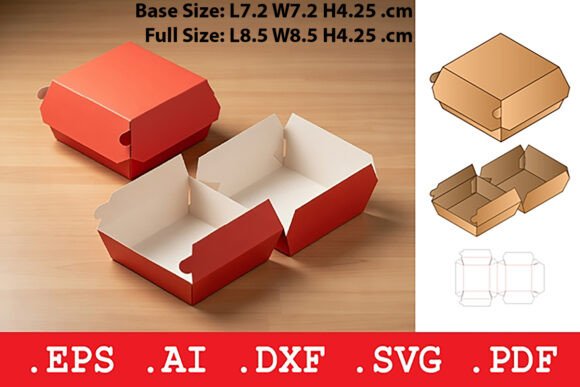
The first thing I noticed about the Hamburger Takeaway Box is its clean, structured silhouette. The auto-locking lid and tuck tab closure suggest a well-crafted, practical design—something that immediately makes me think of food service branding or quick-service restaurants. It's not overly stylized, which is a plus for commercial use, but it still carries enough character to feel hand-designed rather than generic.
What stood out was the integrated center divider. This subtle feature adds a sense of organization and sophistication, making the box ideal for showcasing individual items like burgers, fries, or sides. As a designer, this detail speaks to both usability and aesthetics, especially when considering how clients might want to present their products in an engaging yet professional way.
A Natural Fit for Food-Related Branding and Marketing
This design asset feels most at home in projects related to the food industry. Whether you're creating marketing visuals for a new burger joint, designing product mockups for an online restaurant, or preparing social media content for a food delivery app, the Hamburger Takeaway Box offers a realistic and scalable element to include in your compositions.
I tested it within a few different scenarios: as part of a packaging design for a local food truck campaign, embedded in a Canva template for promotional flyers, and even layered into a set of Pinterest pins for a seasonal burger menu. In each case, it added a tangible, lifestyle-driven feel to the graphics without overwhelming the composition.
Performance Across Multiple Design Applications
One of the strengths of the Hamburger Takeaway Box lies in its adaptability. Here’s how it performed in various real-world design situations:
- Logo Design & Brand Identity: Used as a background or supporting element in logo mockups, the box helped reinforce the theme of casual dining and takeaway culture.
- Product Labels: When placed beside text-based labels for condiments or side orders, it created a cohesive look that felt authentic and appetizing.
- Posters & Flyers: Integrated into hero sections of posters for food festivals or pop-up events, it enhanced the visual storytelling by grounding the concept in a familiar object.
- Sticker Design: Worked well as a standalone illustration for branded stickers or loyalty cards, especially when paired with bold typography and vibrant colors.
- T-Shirt & Merchandise Graphics: Scaled down and stylized, it made a great icon for merch such as aprons, T-shirts, or reusable drink cups.
- Website & Blog Visuals: Added as a decorative accent in blog headers or landing pages for food-related content, it helped create a more immersive experience for readers.
- Cricut Projects: Being an SVG format, it translated seamlessly into Cricut projects, allowing for precise cutting and layering in signage or packaging prototypes.
- Print-on-Demand Assets: The vector nature of the file ensured sharp edges and consistent quality when printed on mugs, tote bags, or wall art.
Where It Works Best
The Hamburger Takeaway Box shines in larger layout areas where depth and texture can be appreciated. It’s particularly effective in:
- Hero graphics for website banners or social media posts.
- Product mockups showing packaging in action, such as in print-on-demand platforms.
- Themed collections like summer menus, food truck campaigns, or themed party kits.
- Supporting brand elements that add context and realism to marketing materials.
- Editorial design for food blogs or recipe cards where imagery needs to feel approachable and relatable.
In these applications, the 3D effect gives the design a sense of authenticity and dimensionality, helping the final output feel more polished and intentional.
Use with Caution in Certain Contexts
While the Hamburger Takeaway Box is highly adaptable, there are some situations where it may not be the best fit:
- Small sizes: At lower resolutions or tiny dimensions, the intricate details (like the tuck tab) can become lost or distorted.
- Crowded layouts: If used alongside too many other illustrations or text elements, it risks becoming cluttered and distracting.
- Complex backgrounds: Its 3D structure doesn’t always hold up against busy or pattern-heavy backdrops—contrast is key here.
- Minimalist branding: Clients who prefer sleek, modern designs with minimal ornamentation might find the box too literal or heavy-handed.
- Professional corporate materials: While it works for small businesses, it’s less appropriate for formal presentations or high-end luxury branding due to its casual appearance.
In these cases, it’s better to either simplify the design or pair it with more abstract elements to maintain a balanced visual hierarchy.
Design Considerations for Real Client Projects
Before using any design asset in a commercial project, I always test it thoroughly. Here’s what I recommend doing with the Hamburger Takeaway Box:
- Test in black and white: Evaluate whether the design still conveys its purpose without color, especially if the client plans to use it in grayscale formats.
- Check contrast: Ensure it stands out clearly on both light and dark backgrounds. Adjust stroke weights or add drop shadows if needed.
- Preview at multiple sizes: From large hero images to small icons, verify that the design remains legible and visually appealing.
- Place on real mockups: Try it in actual product environments, such as next to a burger photo or within a restaurant interior mockup, to assess its realism and integration.
- Test print quality: Print the design on cardstock or fabric to see how the layers and textures translate in physical form.
- Review file formats: Confirm that the SVG is editable and that PNG files (if included) have proper transparency settings.
- Compare font styles: Test the asset with serif, sans-serif, script, and display fonts to ensure compatibility with diverse typographic styles.
- Confirm commercial licensing: Always double-check the license before using the asset for client work or selling it through marketplaces like Etsy or Creative Market.
Impact on Readability and Brand Consistency
When used appropriately, the Hamburger Takeaway Box supports readability by acting as a visual anchor. It helps guide the viewer’s eye toward the main message, especially when paired with directional cues like arrows or text overlays. However, designers should be mindful of how much space it occupies and whether it competes with other key elements in the composition.
From a brand consistency perspective, this asset fits well into a lifestyle or handmade business aesthetic. It can help build visual trust by appearing functional and authentic, which is crucial for brands that emphasize quality, convenience, or local flavor. That said, it won't work well in a minimalist or ultra-modern brand identity unless carefully adapted.
Emotional Appeal and Audience Engagement
Food-related assets inherently carry emotional weight. The Hamburger Takeaway Box evokes feelings of convenience, satisfaction, and community—perfect for connecting with audiences looking for comfort or nostalgia. In editorial design or Instagram posts, it can serve as a conversation starter, prompting engagement through comments or shares.
For content creators and bloggers, the box can enhance storytelling by placing the audience in a relatable scene. It’s especially effective in tutorials or reviews where visual demonstration is key.
Why It’s Worth Adding to Your Toolkit
The Hamburger Takeaway Box isn’t just another clipart item—it's a graphic design asset that brings a touch of realism and warmth to a wide range of projects. Its 3D structure and thoughtful details make it a standout choice for packaging design, marketing visuals, and even merchandise concepts.
If you're working on a handmade business or small business branding project, this asset could be a valuable addition to your design bundle. For marketers and bloggers, it's a powerful tool to make your content more engaging and relevant to food-centric topics. And for those in the creative marketplace, including it in a collection of food-themed illustrations or SVG objects could significantly boost your offerings’ appeal.
Final Thoughts from a Designer’s Perspective
In conclusion, the Hamburger Takeaway Box is a well-executed design asset that bridges the gap between function and form. It brings a practical yet stylish element to visual projects, especially those rooted in food, lifestyle, or local commerce. As long as you consider the context—whether it's for a print-on-demand product, a social media ad, or a Cricut project—this 3D SVG object can be a solid investment for your creative toolkit.
Just remember to test it thoroughly before committing to a client project. Pay attention to visual hierarchy, scalability, and commercial usage rights. Done right, the Hamburger Takeaway Box can help you deliver a more immersive and trustworthy design outcome.