Lotus Tealight Embroidery Review
When I first opened the Lotus Tealight file, my immediate reaction was a sense of calm. As someone who has spent years reviewing embroidery designs for both personal projects and client work, I know that not every design is created equal. Some are flashy but lack soul, while others are simple yet carry a quiet elegance that elevates the entire finished product. This 3D SVG design feels like it belongs in a space dedicated to mindfulness, which makes me wonder: does it translate well from a digital preview to a stitched reality?
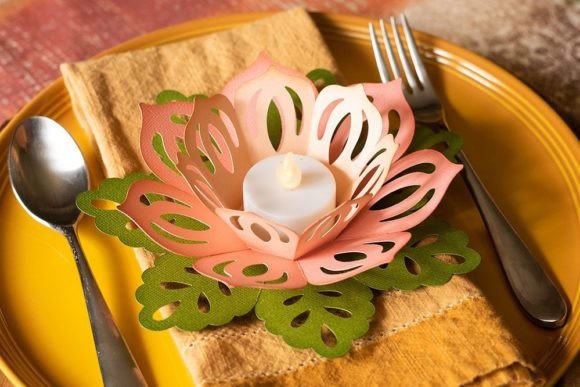
The prompt describes this as a "graceful paper flower design cradle" intended to create a peaceful ambiance. In the world of machine embroidery, translating a 2D illustration into a tactile stitch pattern requires careful consideration of density, line weight, and overall flow. My goal here is to strip away the marketing fluff and look at Lotus Tealight through the eyes of a practitioner. How will it hold up on a tote bag? Will it look professional on a baby onesie? And most importantly, will it make your customers feel the same tranquility the designer intended?
First Impressions and Visual Personality
The aesthetic of Lotus Tealight leans heavily into the Spring category, evoking themes of renewal, softness, and natural beauty. The concept of a lotus flower holding a tealight suggests a dual purpose: it is both a botanical element and a functional object. Visually, this implies a need for delicate lines rather than heavy, blocky fills. If the design relies too much on dense satin stitches, it might lose that airy, paper-like quality.
I imagine this design finding its home in environments where relaxation is key. A yoga studio, a meditation corner, or a boutique spa gift shop seems like the perfect setting. However, the true test of any embroidery file is how it behaves when transferred to fabric. Does the layout support the narrative? A lotus flower often features curved petals and organic shapes, which can be tricky to execute perfectly without puckering if the stitch density is too high. The design must balance the structural integrity of the flower with the softness of the surrounding negative space to maintain that "graceful" feel.
Real-World Application: From Screen to Stitch
Let's walk through a practical scenario. Imagine you are an Etsy seller preparing a collection of handmade gifts for the upcoming season. You have a batch of cream-colored canvas tote bags and linen aprons ready to go. You decide to use Lotus Tealight as the centerpiece for these items. The potential is there; the combination of natural fibers and a floral motif creates an instant connection with buyers looking for artisanal goods.
However, before you hit the "start" button on your machine, you need to think about placement and scale. On a tote bag, the design needs enough room to breathe. If you place it too close to the edge, the stitching tension might distort the fabric. If you try to shrink it down too small for a cap or a baby hat, you risk losing the intricate details that give the lotus its character. The running stitch elements, if present, should be long enough to mimic the fluidity of a petal but short enough to prevent gaps in the thread coverage.
I also considered using this design on a sweatshirt for a cozy winter collection. While the theme is Spring, the imagery of a warm light in a cool environment can work year-round. The contrast between a dark hoodie and a light, glowing lotus could be striking, provided you choose the right thread colors. A pale yellow or white thread against a navy background would capture the essence of a tealight flame, whereas a matching color might get lost in the fabric texture.
Navigating Fabric Challenges and Limitations
Not every surface is a good match for Lotus Tealight. As an experienced reviewer, I have seen beautiful designs fail because the fabric choice was overlooked. Textured fabrics, such as chunky knits or boucle wool, can swallow fine details. If the lotus petals rely on subtle curves to define their shape, they might disappear into the loops of a heavy sweater.
Similarly, stretchy fabrics like jersey or spandex require extra caution. Without proper stabilization, the tension of the embroidery machine can cause the fabric to pucker around the design, ruining the clean lines of the lotus. For a tote bag design, you want crisp edges, so a stable cotton canvas is ideal. For a sweatshirt embroidery project, a cut-away stabilizer is usually necessary to keep the design flat against the moving fabric.
There are also specific areas where you should exercise restraint. Small hoop sizes are a common trap. If the design includes tiny details or thin stems, reducing the size below a certain threshold will result in a muddy mess where the threads merge together. Dark fabrics present another hurdle; unless you plan to use a thick underlay or a specific thread palette, the design might lack the necessary pop to stand out. Furthermore, products that undergo frequent washing, like kitchen towels or baby clothes, need to be durable. Dense stitch areas can sometimes wear down over time, especially if the thread isn't high quality.
Elevating Product Value and Brand Trust
In the competitive landscape of craft business and small shop products, the quality of your embroidery speaks volumes about your brand. A well-executed embroidery project builds customer trust. When a buyer sees a Lotus Tealight design that is centered, smooth, and free of loose threads, they perceive the item as a premium handmade product.
This design has strong giftability appeal. It is not aggressive or loud; it is thoughtful and serene. This makes it perfect for personalized gifts, wedding favors, or nursery decor. A pillow cover featuring this motif could become a cherished keepsake. The visual appeal of the design directly influences the perceived value of the finished product. If the stitching looks sloppy, even the best fabric won't save the item. Conversely, precise execution turns a simple piece of cloth into a statement piece.
For those creating digital product previews or printable mockups, ensure that the lighting in your photos highlights the texture of the stitches. The interplay of light and shadow on the satin stitch areas can add depth that a flat image cannot convey. This attention to detail helps Etsy sellers and creative entrepreneurs showcase their work effectively online.
Practical Designer Notes for Success
Before you commit to a full production run, there are several steps every designer should take to ensure success with Lotus Tealight.
- Test on Scrap Fabric: Always run a test stitch on a scrap of the actual fabric you intend to use. This reveals how the material reacts to the needle and thread tension.
- Check Thread Contrast: Ensure your chosen thread colors provide enough contrast against the fabric to make the design legible. Light threads on light backgrounds often require a different approach than dark-on-light.
- Review Stitch Density: Look closely at the fill areas. If they seem too packed, consider adjusting the settings to reduce bulk and improve drape.
- Confirm Hoop Size: Verify that your machine's hoop can accommodate the design dimensions without cutting off essential parts of the lotus.
- Inspect Small Details: Zoom in on the finest lines. If they are too thin, they may break during the stitching process or fade quickly after washing.
- Stabilizer Selection: Use the appropriate stabilizer for your fabric type. Heavy-weight cut-away is often needed for stable fabrics, while tear-away might suffice for lighter materials.
- Licensing Check: Before selling finished items or distributing the digital embroidery file, confirm the licensing terms to ensure you are compliant with commercial use policies.
Ultimately, Lotus Tealight offers a versatile opportunity for designers and makers to create meaningful, aesthetically pleasing items. Whether you are crafting a custom apparel piece, a decorative patch, or a unique holiday embroidery gift, the key lies in understanding the design's strengths and limitations. By approaching the project with care and technical precision, you can transform a simple digital file into a stunning finished product that resonates with your audience.