Cake Box with Window Template: A 3D SVG Shapes Review
I recently received a request from a boutique client launching a seasonal line of artisanal cupcakes. They needed packaging that felt handcrafted yet professional, bridging the gap between a homemade treat and a premium brand experience. While scrolling through available design assets, I encountered the Cake Box with Window Template. As a designer who frequently navigates the space between creative vision and technical execution, my first instinct was to evaluate whether this asset could genuinely elevate a real client project or if it would feel like a generic add-on.
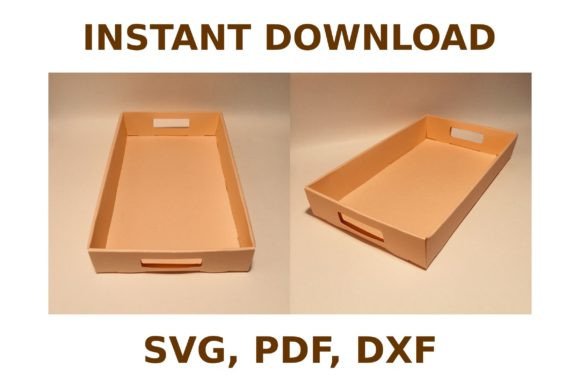
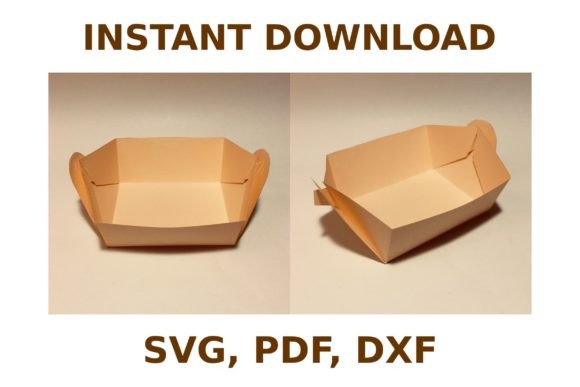
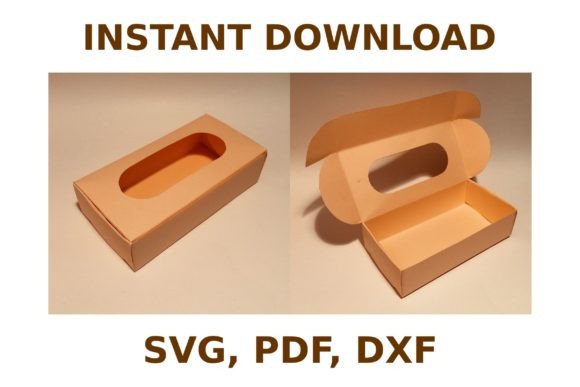
The moment I opened the ZIP archive, the quality became apparent. The Cake Box with Window Template arrives as a comprehensive package containing SVG, DXF, and PDF files. This multi-format approach is critical for modern workflows. It ensures compatibility across various cutting machines, specifically confirming that the design is compatible with Silhouette and Cricut. For a commercial project, this versatility means we aren't limited by software restrictions. The measurements are noted to depend on paper size, which is a standard but important consideration for ensuring the final print aligns perfectly with the intended physical dimensions.
First Impressions and Visual Mood
In terms of aesthetic, this asset strikes a balance between whimsical and structural. It creates a mood that is inherently inviting, suggesting transparency and freshness—qualities essential for food branding. The visual elements feel polished rather than cluttered, representing a style that fits naturally within the realm of handmade businesses and small business branding. When placed against a clean background, the design suggests a high-end bakery or a curated gift shop. It possesses a certain charm that resonates with audiences looking for authenticity, making it an ideal candidate for projects where emotional connection drives sales.
This is not merely a clipart image; it is a functional graphic element that can serve as a hero graphic in a marketing campaign or a subtle decorative accent on a flyer. The way the window concept is rendered allows designers to play with layering, creating depth that mimics the actual product inside. For a brand identity project, this kind of visual cue builds trust, signaling to the customer that there is something delightful waiting behind the box.
Real-World Application in Client Projects
Imagine integrating this Cake Box with Window Template into a full brand launch. In a logo design context, the shape could be abstracted to form a unique icon for the bakery's mark. For product labels, the template provides a perfect silhouette to frame nutritional information or flavor profiles without overwhelming the typography. The asset performs exceptionally well in packaging design, serving as the primary visual anchor for a new collection of treats.
Beyond physical products, the utility extends into digital realms. I envision using this design asset for social media graphics, particularly for Instagram posts or Pinterest pins where visual hierarchy is paramount. The distinct shape draws the eye immediately, making it effective for promotional ads or blog visuals. If the client is selling printable designs, this template could be adapted into a Canva template for customers to customize their own party invitations or event flyers. Furthermore, for those involved in print-on-demand, the vector nature of the file makes it suitable for t-shirt design, mugs, and tote bags, allowing the brand to extend its reach beyond just the cake itself.
The asset also shines in editorial design and web design. On a website homepage, a stylized version of the box could act as a sublimation design or a dynamic illustration that breaks up text-heavy content. It supports the narrative of a story-driven brand, helping to create a cohesive visual language across all touchpoints, from the initial email newsletter to the final product unboxing.
Strategic Placement and Limitations
While the potential is vast, a professional designer must know where an asset works best and where it requires caution. The Cake Box with Window Template excels in large layout areas where it can command attention. It is perfect for hero graphics, product mockups, and themed collections where the visual impact is the primary goal. As a decorative accent or a supporting brand element, it adds texture and interest without dominating the composition.
However, there are scenarios where this asset should be used carefully. In small sizes, such as a favicon or a tiny mobile notification badge, the details may become indistinct, potentially compromising the visual clarity. Crowded layouts can make the design feel busy, especially if other complex illustrations are present. Designers should avoid placing it on complex backgrounds or in low-contrast designs where the shape might get lost. For minimalist branding or professional corporate materials that demand extreme cleanliness, this playful shape might clash with the desired tone. Additionally, in projects requiring very clean visual hierarchy, the organic nature of the box might distract from critical textual information if not balanced correctly.
Impact on Readability and Brand Perception
The inclusion of a window motif in the design directly influences audience engagement and emotional appeal. It creates a sense of anticipation and honesty, which enhances visual trust. When used consistently across marketing visuals, it reinforces brand recognition. However, the overall impression of a design project depends heavily on how well the asset integrates with the typography. A poorly chosen font pairing can undermine the professionalism of the piece.
To ensure the Cake Box with Window Template elevates the project, one must consider the interplay between the illustration and the typeface. Does the script font match the whimsy? Is the sans serif font too rigid? These decisions affect the readability and the perceived value of the final output. A well-integrated asset contributes to a modern design aesthetic that feels current and relevant, whereas a mismatched combination can look dated or amateurish.
Practical Designer Notes for Commercial Use
Before committing this asset to a paid client project, several technical checks are non-negotiable. First, test the design in black and white. This ensures that the visual hierarchy holds up without relying on color to define the shape. Check contrast on both light and dark backgrounds to guarantee visibility across different mediums.
Preview the asset at both small and large sizes to verify scalability. Place it on real mockups to see how it interacts with lighting and shadows. Test print quality on the specific paper stock intended for the final product. Review the file formats thoroughly; inspect PNG transparency if included to ensure no jagged edges remain. Check the SVG or vector editability to confirm that paths can be modified for custom branding needs.
It is also vital to compare the style of the template with various font styles, including serif, sans serif, script, handwritten, and display fonts, to find the perfect harmony. Finally, confirm the commercial license before using the asset for any business project. Understanding the usage rights protects both the designer and the client from legal issues. Whether you are an Etsy product seller, a digital creator, or a publisher, ensuring the Cake Box with Window Template meets these rigorous standards will result in a polished, professional deliverable that stands out in the creative marketplace.