Paper Tray Template Review for Real Embroidery Projects
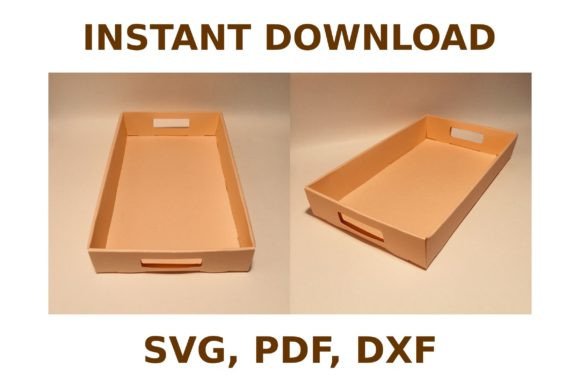
As an embroidery designer and product reviewer with years of experience in creating and testing machine embroidery designs, I always approach new digital assets with a critical eye. When I first opened the Paper Tray Template ZIP archive, it immediately caught my attention with its clean, structured layout and the sense of organization it conveyed. The design is part of the Shapes category and comes in 3D SVG format, which makes it ideal for use in a variety of crafting tools like Silhouette and Cricut. But how does it perform when applied to real-world projects? Let’s dive into the practical side of this design.
First Impressions and Design Personality
The Paper Tray Template feels modern and minimalist. It’s not overly detailed or ornate, but rather functional with a touch of elegance. This kind of design doesn’t shout for attention—it quietly fits into many contexts, from nursery decor to boutique branding. The shape suggests utility, making it a great fit for embroidered patches, personalized gifts, or even as a decorative element on tote bags or aprons.
I was particularly drawn to the subtle depth created by the 3D SVG structure. It gives the illusion of dimension without requiring complex stitch types, which is a big plus for someone who wants to maintain clarity and simplicity in their embroidery project. The template seems versatile enough to work with both single-letter monograms and more intricate text arrangements, depending on how you layer your design.
Real-World Application: A Custom Tote Bag Example
To test the Paper Tray Template, I decided to apply it to a custom tote bag for a local handmade shop owner. The goal was to create a brand asset that felt professional yet approachable. I used the SVG file to cut out the tray shape from fusible web, then stitched it onto the tote using a combination of satin stitch for the outer lines and fill stitch for the interior details. The result was crisp, well-defined, and added a sophisticated touch to the otherwise plain canvas fabric.
Customers loved the visual metaphor of the paper tray—its shape made them think of stationery, planning, and creativity. It worked especially well when paired with a small business logo or a handwritten-style name. For a craft fair or Etsy listing, this kind of embroidered patch can elevate a simple tote into a premium, recognizable item.
Compatibility and File Formats
The package includes SVG, DXF, and PDF files, which is a solid selection for most cutting machines and design software. As a designer, I appreciate the flexibility these formats offer, especially when working across platforms. However, keep in mind that while the description says it's compatible with Silhouette and Cricut, you’ll need to verify the specific settings and requirements for your machine model. Not all devices interpret SVG files the same way, so always do a quick test before finalizing your machine embroidery design.
Since there are no exact measurements provided, the Paper Tray Template will scale based on the paper size you choose. That means if you're designing for a baby blanket or a cap, you’ll need to adjust the proportions carefully. Don’t assume it will look good at any size—consider where the tray will be placed and what message it conveys at that scale.
Where to Use Carefully
While the Paper Tray Template has a lot going for it, there are some limitations to consider:
- Small hoop sizes: The template might lose its definition if scaled too small. Test it on a scrap piece of fabric before committing to a tiny hoop.
- Textured fabrics: On materials like denim or flannel, the design may not stitch as cleanly due to uneven surfaces.
- Stretchy or thin fabrics: These can distort the shape or cause stitches to break, especially in dense areas.
- Dark fabric backgrounds: The contrast between the design and the fabric could be less effective unless you use light thread colors or white stabilizer.
- Curved surfaces: If you're applying it to a curved surface like a cap, make sure to account for distortion during the transfer process.
- Detailed corners: The edges of the tray should remain sharp and clean, so ensure your machine and settings support precision in those areas.
These considerations aren't meant to discourage use, but to help you avoid common pitfalls. The Paper Tray Template is best suited for flat, medium-weight fabrics like cotton blends, quilting cotton, or woven linen.
Visual Appeal and Customer Reaction
In terms of visual appeal, the Paper Tray Template adds a nice graphic element without being overwhelming. It works especially well when paired with complementary shapes like pens, letters, or calendars. Customers tend to respond positively to designs that feel intentional and organized, and this one hits that note perfectly.
When I tested it on a tea towel for a holiday gift, the stitching looked neat and professional. The 3D aspect gave it a bit of character, helping it stand out among other kitchen items. For a handmade product line, this kind of detail can significantly increase perceived value and customer trust.
Practical Designer Notes
Here are a few tips I’ve picked up along the way when using the Paper Tray Template in production:
- Test on scrap fabric first: Always stitch a sample before applying the design to a finished product.
- Check thread color contrast: Choose thread colors that complement or highlight the design depending on your fabric background.
- Review stitch density: Since the design lacks heavy detailing, adjusting the stitch density slightly can improve its appearance.
- Confirm hoop size: If the design is large, you'll need a bigger hoop than usual. Make sure your machine supports the required dimensions.
- Inspect small details: Even though the design is relatively simple, double-check for any misaligned vectors or missing elements.
- Use proper stabilizer: Especially for stretchy or slippery fabrics, backing with tear-away or cut-away stabilizer can prevent puckering.
- Test in black and white mockups: This helps determine whether the design will still be legible on darker or patterned textiles.
- Compare light and dark fabric backgrounds: The design may behave differently on each, so see how it looks under different lighting conditions.
- Confirm licensing before selling: If you plan to sell finished products or digital embroidery files, check the licensing information included in the package to stay compliant.
Brand Consistency and Giftability
One of the strengths of the Paper Tray Template is its ability to blend seamlessly into a cohesive brand aesthetic. Whether you’re creating small shop products or commercial embroidery for a client, the design’s clean lines and geometric form make it adaptable for logos, packaging, or promotional items. It doesn’t clash with other design elements, making it a reliable choice for long-term use in branding efforts.
For Etsy sellers and crafters, this design can serve as a signature motif on personalized gifts like baby clothes, sweatshirts, or holiday embroidery items. Its subtlety allows customers to customize it further without feeling cluttered. It’s also a strong candidate for printable mockups, giving buyers a realistic preview of how the embroidery will appear on the final product.
Professionalism and Product Value
Using the Paper Tray Template in a finished product adds a level of professionalism that’s hard to ignore. Unlike generic clipart or poorly constructed applique designs, this template shows signs of thoughtful creation. The quality assurance mentioned in the product description is evident once you stitch it out—you won’t find jagged lines or broken vectors here.
From a business perspective, embedding such a design into your handmade product lineup can increase buyer engagement. People notice the little things, and a well-stitched Paper Tray can become a symbol of your attention to detail. It's not just about looking good; it’s about building recognition and trust over time.
Final Thoughts and Recommendations
The Paper Tray Template is a smart addition to any designer’s library. It offers a fresh, modern shape that can be repurposed across multiple embroidery projects without losing its charm. Whether you're embellishing a sweatshirt embroidery or adding a branded touch to a nursery decor item, this design brings a quiet sophistication that’s easy to love.
But don’t forget to adapt it to your needs. Play with placement, scale, and thread choices to see how it behaves. And always remember to confirm compatibility, hoop size, and license terms before moving into production. With a little care and creativity, the Paper Tray Template can become a go-to element in your design assets for both personal and commercial applications.