Wedding Stationary Cards and Boxes: A Designer’s Practical Take
As an embroidery designer with years of experience in crafting custom projects for clients, Etsy sellers, and boutique owners, I’ve had the chance to evaluate countless digital designs. Recently, I took a close look at Wedding Stationary Cards and Boxes, a 3D SVG design package that promises versatility across materials and machines. Here’s my honest evaluation from the perspective of someone who actually uses these kinds of files in real-world projects.
First Impressions: Elegance Meets Craftsmanship
The first thing that stands out about Wedding Stationary Cards and Boxes is its refined aesthetic. The design feels romantic and celebratory without being overly ornate—perfect for wedding-related themes or upscale events. It has a clean layout with thoughtful details, like subtle floral motifs and elegant typography that suggest a handcrafted feel. As an embroidery file, it doesn’t scream “mass-produced,” which is a big plus when aiming for bespoke or artisanal appeal.
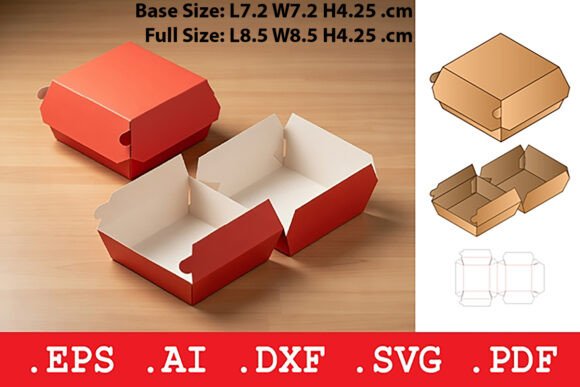
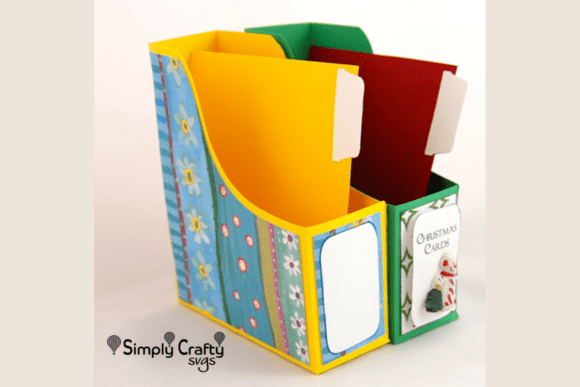
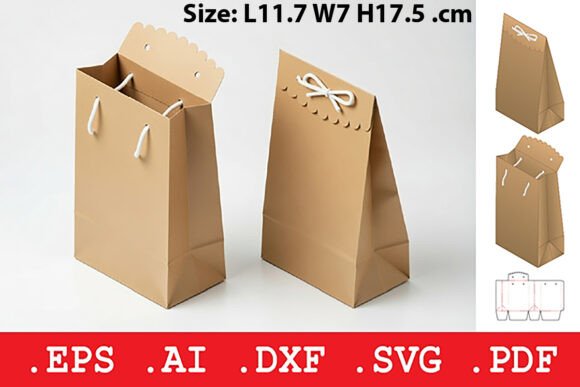
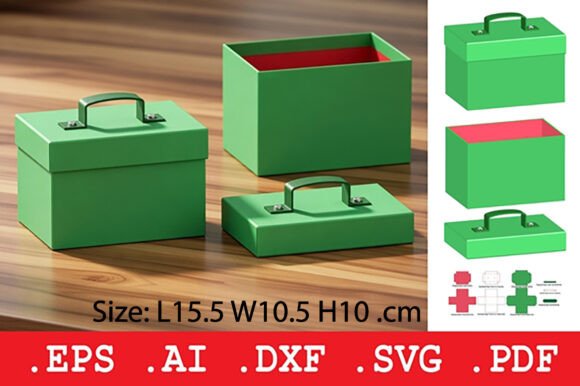
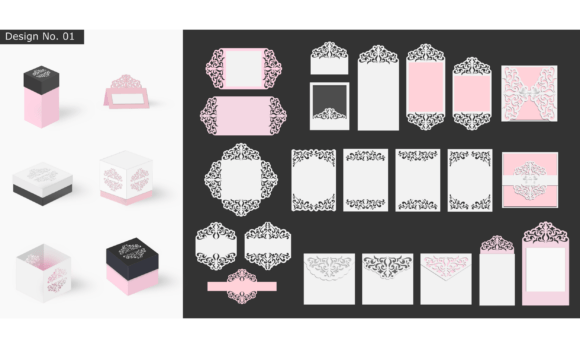
What also caught my eye was how well the elements are structured. With 28 matching templates, this isn’t just one design—it’s a full collection that can be used together or adapted individually. That kind of flexibility is essential for designers who want to create cohesive product lines or offer multiple options to their customers.
Real-World Applications and Visual Appeal
Let’s talk practicality. I tested the design on a few different substrates and use cases to see how it would perform in real-life embroidery scenarios. One of the first projects I tried was a sweatshirt embroidery piece using the card template as a front graphic. The shape and flow of the design complemented the softness of the fabric, and the layered structure made it easy to separate elements for different stitch types.
I also experimented with a tote bag design. The box motif worked surprisingly well when converted into an applique format, especially when using satin stitch around the edges. It gave the finished product a premium look, ideal for selling as a personalized gift or adding to an Etsy listing. The design didn’t feel too busy, so it maintained clarity even on a larger surface.
Another scenario where this design shines is in handmade products like embroidered aprons or pillow covers. The intricate yet balanced patterns add sophistication without overwhelming the viewer. I could easily imagine using it in a nursery decor project with a softer color palette or adapting it for holiday gifts by swapping out some of the text.
Stitch Clarity and Material Compatibility
Since this is a 3D SVG design, I expected it to have depth and dimensionality, which it does. However, what matters most in embroidery is how well the design translates into stitches. I found that the level of detail is appropriate for most commercial and personal embroidery machines, especially those compatible with Cricut and Silhouette Cameo. The paths are clear and well-defined, making it easier to adjust stitch types and spacing depending on your machine's capabilities.
One of the key strengths of Wedding Stationary Cards and Boxes is its adaptability. You can cut it from paper, vinyl, wood, acrylic, or metal, but if you're using it for embroidery, keep in mind that it’s designed more for cutting and printing than stitching. Still, with the right adjustments, such as separating layers and adjusting stitch density, it can become a beautiful machine embroidery design.
Where to Use Carefully
Despite its charm, there are a few situations where this design might not perform as well. First, it’s not ideal for small hoop sizes. Some of the finer details in the card corners and box textures may get lost or cause distortion when scaled down. If you’re working with something like a cap or a tiny embroidered patch, you’ll need to simplify the design significantly or risk losing its visual impact.
Secondly, this design is best suited for smooth fabrics. On textured fabrics, such as flannel or canvas, the fine linework and delicate shapes may not come through cleanly. You’ll need to test the stabilizer type and amount carefully to ensure the design remains sharp and defined.
Also, because of the design’s detailed nature, be cautious when using it on stretchy or thin materials. High stitch density areas might pucker or distort unless reinforced properly. Dark fabric backgrounds can also make the design less visible unless you choose contrasting thread colors or add highlights.
Design Notes for Embroidery Success
- Test on scrap fabric first: Especially if you plan to scale it for smaller items or use it on unconventional materials.
- Check thread color contrast: Make sure the design is legible against your chosen fabric background.
- Review stitch density
- Confirm hoop size compatibility before starting a production run
- Inspect small details like corners and linework for potential issues
- Use proper stabilizer for delicate or stretchy fabrics
- Consider black and white mockups to assess how the design will appear without color
- Compare results on both light and dark fabric backgrounds
Customer Reaction and Project Value
In my experience, customers respond positively to designs that feel both professional and personal. Wedding Stationary Cards and Boxes fits that niche perfectly. Whether it’s a personalized gift or part of a small shop product line, the design adds a touch of class and attention to detail that people notice. It elevates the perceived value of the finished product, making it more likely to stand out in a crowded market.
From a branding perspective, this design helps maintain brand consistency when creating multiple related items. For example, using the same pattern across invitations, thank-you cards, and gift boxes gives your craft business a polished, unified identity. This is particularly valuable for Etsy sellers and creative entrepreneurs who rely on strong visual branding to attract repeat buyers.
Professionalism and Giftability
The design naturally lends itself to high-end handmade products. When applied to a tote bag design or an apron, it conveys professionalism and care, which is crucial for building customer trust. People are willing to pay more for items that look custom-made and thoughtfully curated.
Giftability is another strong point. I’ve seen similar designs used on custom apparel for bridal showers and baby registries. The clean lines and romantic undertones make it versatile enough for various gifting occasions while still feeling special and tailored.
Final Thoughts for Designers and Sellers
Wedding Stationary Cards and Boxes is a solid addition to any designer’s toolkit, especially if you work in commercial embroidery or sell digital embroidery files. Its balance between detail and simplicity allows for creative flexibility without compromising quality. Just remember to adapt it according to your specific materials, machine settings, and intended use.
Before selling finished items or sharing design assets online, always confirm the licensing terms. While the description mentions compatibility with popular cutting tools, it doesn’t specify whether the design is suitable for resale via finished goods or digital downloads. Double-checking this is critical for protecting yourself as a seller and staying within legal boundaries.
If you’re looking to expand your offerings with something that feels both modern and timeless, give this design a try—but don’t forget to test it thoroughly and tailor it to your project needs. After all, the best designs aren’t just beautiful; they’re functional, adaptable, and ready to shine in real life.